Overview of the New Peri-implant and Periodontal Disease Classification System
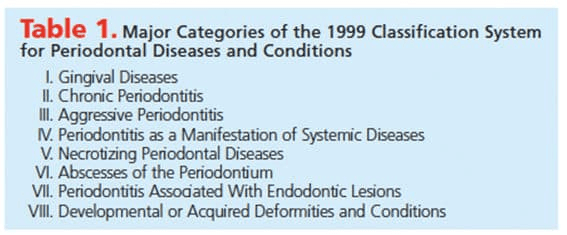
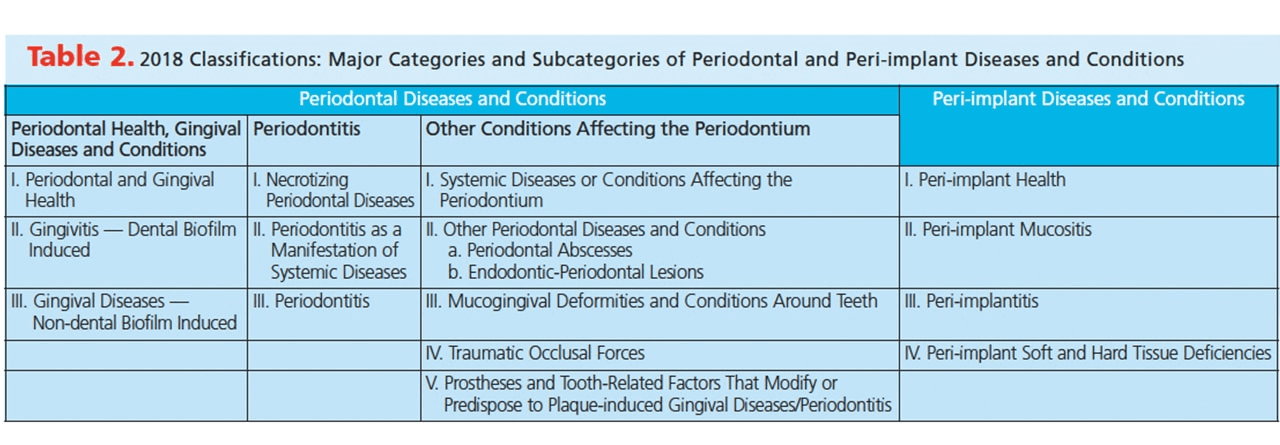
The updated 2018 periodontal and peri-implant disease classification system addresses key limitations of the 1999 system by introducing a comprehensive staging and grading framework for periodontitis and, for the first time, formal classifications for peri-implant diseases and conditions.

Dr. Theo Katsaros
Periodontist
Table of contents
Share
Peri-implant and Periodontal Disease Classification
In 2018, a group of the world's top gum disease experts got together in Chicago to create a brand new system for classifying gum and implant diseases. This new system helps dentists better understand, diagnose, and treat gum disease.
Why Was a New System Needed?
The old 1999 system had some problems:
It sometimes over-diagnosed gum disease because of inaccurate measurements
It didn't include dental implants, which are now extremely common
Our understanding of gum disease has advanced significantly over the past 20+ years
The Two Main Categories
1. Gum (Periodontal) Diseases and Conditions
Gum Health
Healthy gums come in different forms. Here's a simple breakdown:
Perfectly healthy gums — No bleeding, no bone loss, no inflammation
Clinically healthy — Minimal signs of inflammation
Stable (after treatment) — Gum disease was treated successfully and is under control
Managed (partial control) — Treatment helped, but the disease isn't completely resolved
Gingivitis (Mild Gum Inflammation)
This is the early stage of gum disease, caused by plaque buildup on teeth. Signs include red, swollen, or bleeding gums. The good news is that gingivitis is reversible with proper cleaning and care.
Things that can make gingivitis worse include:
Puberty or pregnancy (hormonal changes)
Certain medications
Poor oral hygiene
Things that can actually mask gingivitis:
Smoking (it reduces visible bleeding, making disease harder to detect)
Periodontitis (Serious Gum Disease)
This is where gum disease gets more serious — it involves damage to the bone and tissue that hold your teeth in place. The new system eliminated confusing old terms like "chronic" and "aggressive" periodontitis, simplifying everything into just "periodontitis."
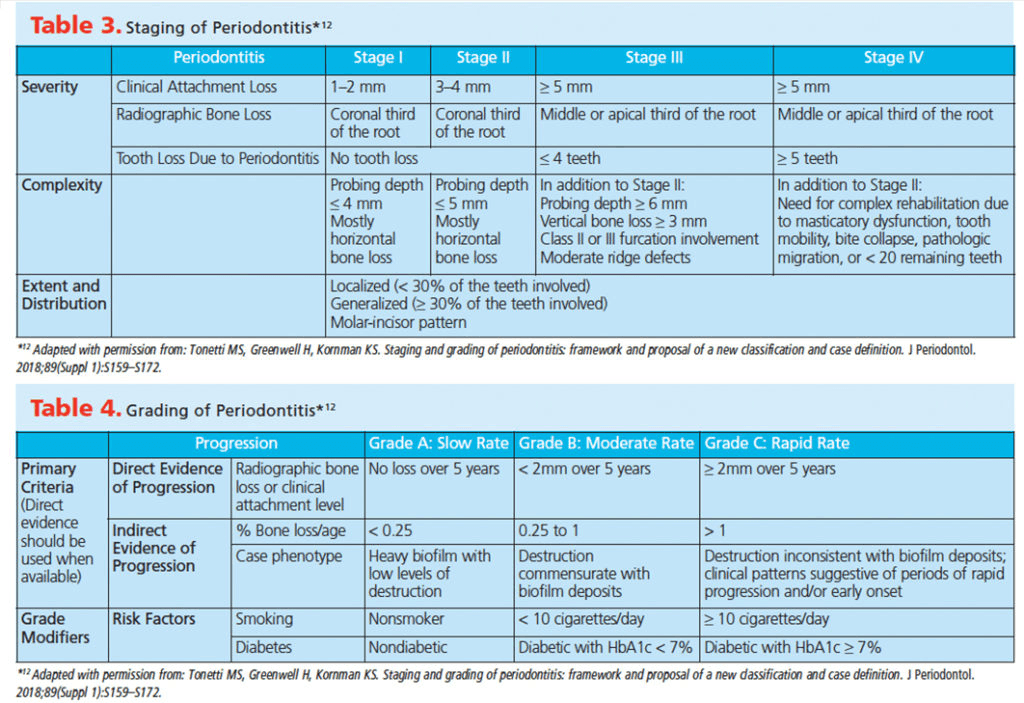
Periodontitis is now diagnosed in three steps:
Confirm there is actual bone/tissue loss
Identify what type of periodontitis it is
Assign a Stage and Grade
The New Staging and Grading System
Think of this like a report card for your gum health:
Stages (How Bad Is It?)
Stage | What It Means |
|---|---|
Stage I | Mild — early bone and tissue loss |
Stage II | Moderate — more bone loss, but manageable |
Stage III | Severe — significant bone loss, risk of tooth loss |
Stage IV | Very Severe — widespread damage, multiple teeth at risk |
Grades (How Fast Is It Progressing?)
Grade | What It Means |
|---|---|
Grade A | Slow progression, low risk |
Grade B | Moderate progression |
Grade C | Rapid progression — often linked to smoking or diabetes |
Dental Implant Health
For the first time ever, the classification system included rules for dental implant health, since implants are now so widely used.
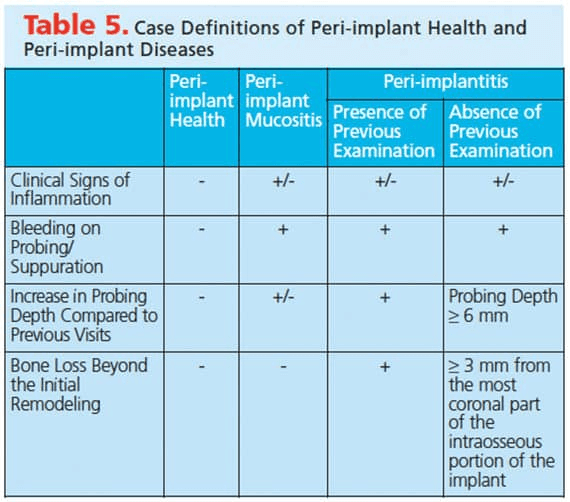
Four Categories for Implants:
1. Healthy Implant
No bleeding or inflammation
Bone loss after placement is minimal (less than 2mm)
2. Peri-implant Mucositis
Think of this as gingivitis around an implant
The gum tissue around the implant is inflamed
It's reversible with treatment, but takes about 3 weeks to heal
3. Peri-implantitis
Think of this as serious gum disease around an implant
The bone around the implant is being lost
Risk factors include a history of gum disease and leftover cement from the implant crown
Regular dental check-ups can reduce this risk
4. Tissue Deficiencies Around Implants
Sometimes there isn't enough bone or gum tissue around an implant
This can happen before or after the implant is placed
Caused by factors like tooth extractions, infections, or implant positioning
Key Changes From the Old System
Old Term | New Term |
|---|---|
Chronic/Aggressive Periodontitis | Simply "Periodontitis" |
Excessive Occlusal Force | Traumatic Occlusal Force |
Periodontal Biotype | Periodontal Phenotype |
Biologic Width | Supracrestal Tissue Attachment |
Conclusion
The 2018 classification system is a major upgrade in how dentists understand and communicate about gum disease. By introducing a clearer staging and grading system, and finally including dental implants, it helps dentists:
Give more accurate diagnoses
Create more personalized treatment plans
Better predict how a patient's disease might progress
Have clearer conversations with patients about their gums
Continuing Education Course
For the complete course on the updated classification system, and 2 hours of self study credit, see the entirety of the article here.