Post-operative instructions
Following your post-operative care instructions is one of the most important steps in a successful recovery.
A quick guide to post-operative care
What to avoid
Brushing or flossing at the surgical site
Rinsing vigorously at the surgical area
Chewing on the surgical side
Smoking anytime within 2 weeks post-op
Drinking alcohol with pain medication
Skipping medication or prescriptions
What to do
Take medications as prescribed
Follow your prescribed medication schedule
Stick to soft, nutritious foods while healing
Keep your head elevated if bleeding
Apply ice packs for the first 24 hours
Attend your 10-day post-operative visit
What to avoid
Brushing or flossing at the surgical site
Rinsing vigorously at the surgical area
Chewing on the surgical side
Smoking anytime within 2 weeks post-op
Drinking alcohol with pain medication
Skipping medication or prescriptions
What to do
Take medications as prescribed
Follow your prescribed medication schedule
Stick to soft, nutritious foods while healing
Keep your head elevated if bleeding
Apply ice packs for the first 24 hours
Attend your 10-day post-operative visit
What to avoid
Brushing or flossing at the surgical site
Rinsing vigorously at the surgical area
Chewing on the surgical side
Smoking anytime within 2 weeks post-op
Drinking alcohol with pain medication
Skipping medication or prescriptions
What to do
Take medications as prescribed
Follow your prescribed medication schedule
Stick to soft, nutritious foods while healing
Keep your head elevated if bleeding
Apply ice packs for the first 24 hours
Attend your 10-day post-operative visit
Treatment related
Aftercare instructions
What you do in the first days after surgery directly affects how well and how quickly you heal.
Pain medication
Some discomfort in the first week after surgery is normal. Take your prescribed pain medication with food and do not wait until pain sets in.
Pain medication
Some discomfort in the first week after surgery is normal. Take your prescribed pain medication with food and do not wait until pain sets in.
Pain medication
Some discomfort in the first week after surgery is normal. Take your prescribed pain medication with food and do not wait until pain sets in.
Antibiotics
If prescribed, take your antibiotic as directed until the full course is finished. They may be taken with food. It is important that you finish the entire prescription to prevent infection.
Antibiotics
If prescribed, take your antibiotic as directed until the full course is finished. They may be taken with food. It is important that you finish the entire prescription to prevent infection.
Antibiotics
If prescribed, take your antibiotic as directed until the full course is finished. They may be taken with food. It is important that you finish the entire prescription to prevent infection.
Swelling
Swelling is common for 2-3 days after the procedure. Use ice packs for 20 minutes on and 20 minutes off for the first 24 hours. Should swelling persist for more than three days, please make an appointment with us.
Swelling
Swelling is common for 2-3 days after the procedure. Use ice packs for 20 minutes on and 20 minutes off for the first 24 hours. Should swelling persist for more than three days, please make an appointment with us.
Swelling
Swelling is common for 2-3 days after the procedure. Use ice packs for 20 minutes on and 20 minutes off for the first 24 hours. Should swelling persist for more than three days, please make an appointment with us.
Lifestyle
Recovery instructions
Supporting your recovery through diet, hygiene, and lifestyle choices makes a significant difference to your outcome.

Hygiene
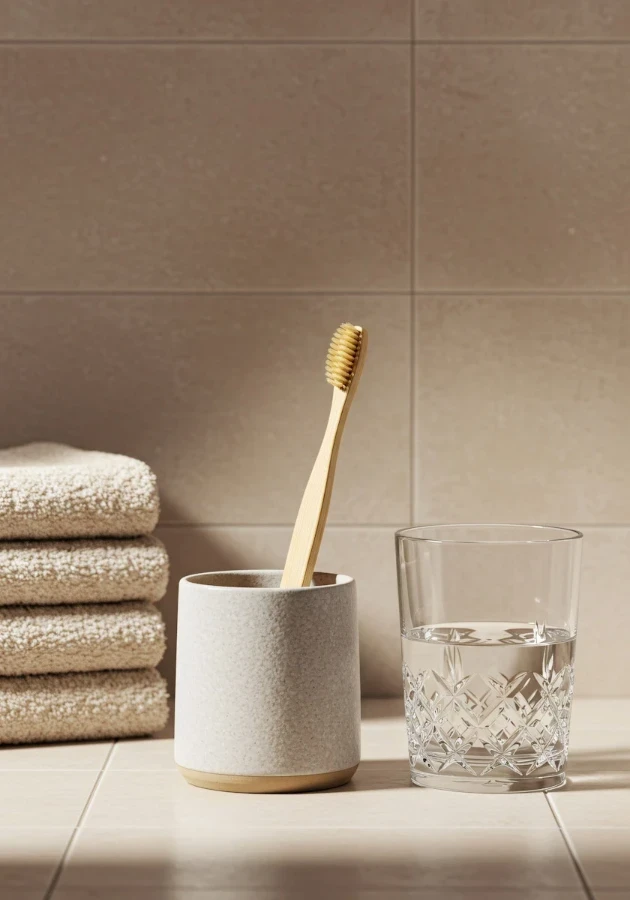
Do not brush or floss at the surgical site. Use a Q-tip to gently clean the area twice daily until your 10-day post-operative visit. Continue normal brushing and flossing everywhere else.
Hygiene
Do not brush or floss at the surgical site. Use a Q-tip to gently clean the area twice daily until your 10-day post-operative visit. Continue normal brushing and flossing everywhere else.
Hygiene
Do not brush or floss at the surgical site. Use a Q-tip to gently clean the area twice daily until your 10-day post-operative visit. Continue normal brushing and flossing everywhere else.
Diet
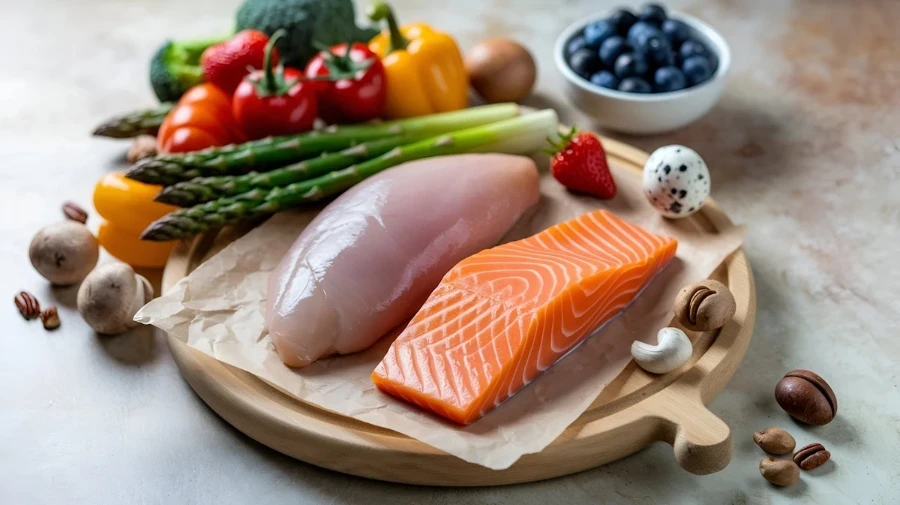
Stock your kitchen with soft, nutritious foods before your surgery. What you eat directly affects how efficiently your body heals. Good options include: • Bananas and avocados • Yogurt • Eggs • Fish • Well-cooked pasta or rice • Mashed potatoes • Steamed vegetables • Simple soups and broths • Smoothies and protein shakes • Ice cream
Diet
Stock your kitchen with soft, nutritious foods before your surgery. What you eat directly affects how efficiently your body heals. Good options include: • Bananas and avocados • Yogurt • Eggs • Fish • Well-cooked pasta or rice • Mashed potatoes • Steamed vegetables • Simple soups and broths • Smoothies and protein shakes • Ice cream
Diet
Stock your kitchen with soft, nutritious foods before your surgery. What you eat directly affects how efficiently your body heals. Good options include: • Bananas and avocados • Yogurt • Eggs • Fish • Well-cooked pasta or rice • Mashed potatoes • Steamed vegetables • Simple soups and broths • Smoothies and protein shakes • Ice cream
Smoking & alcohol
Do not smoke for at least 2 weeks after surgery. Avoid alcohol while taking prescription pain medication. Both significantly affect your ability to heal.
Smoking & alcohol
Do not smoke for at least 2 weeks after surgery. Avoid alcohol while taking prescription pain medication. Both significantly affect your ability to heal.
Smoking & alcohol
Do not smoke for at least 2 weeks after surgery. Avoid alcohol while taking prescription pain medication. Both significantly affect your ability to heal.
Procedure information
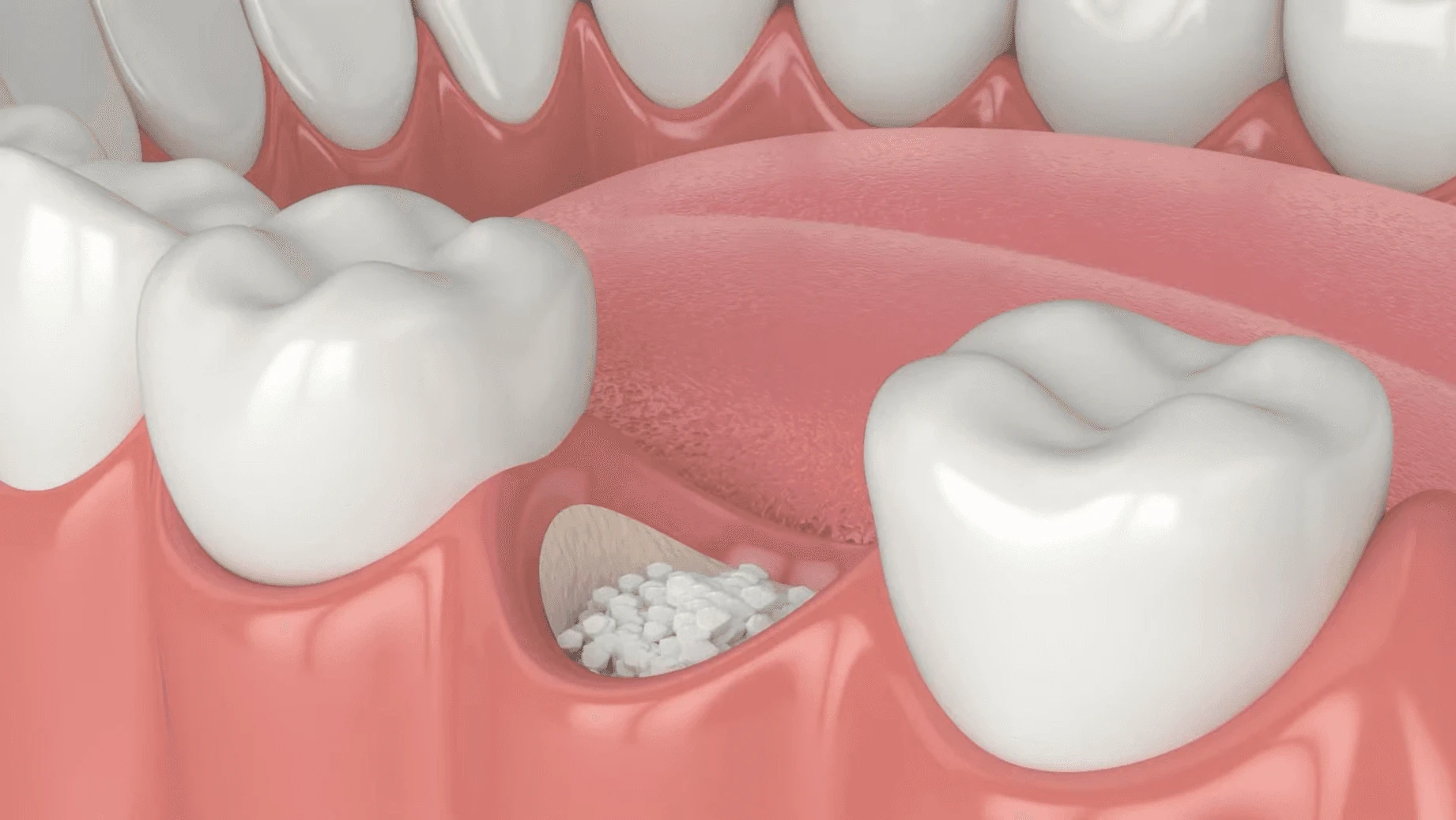
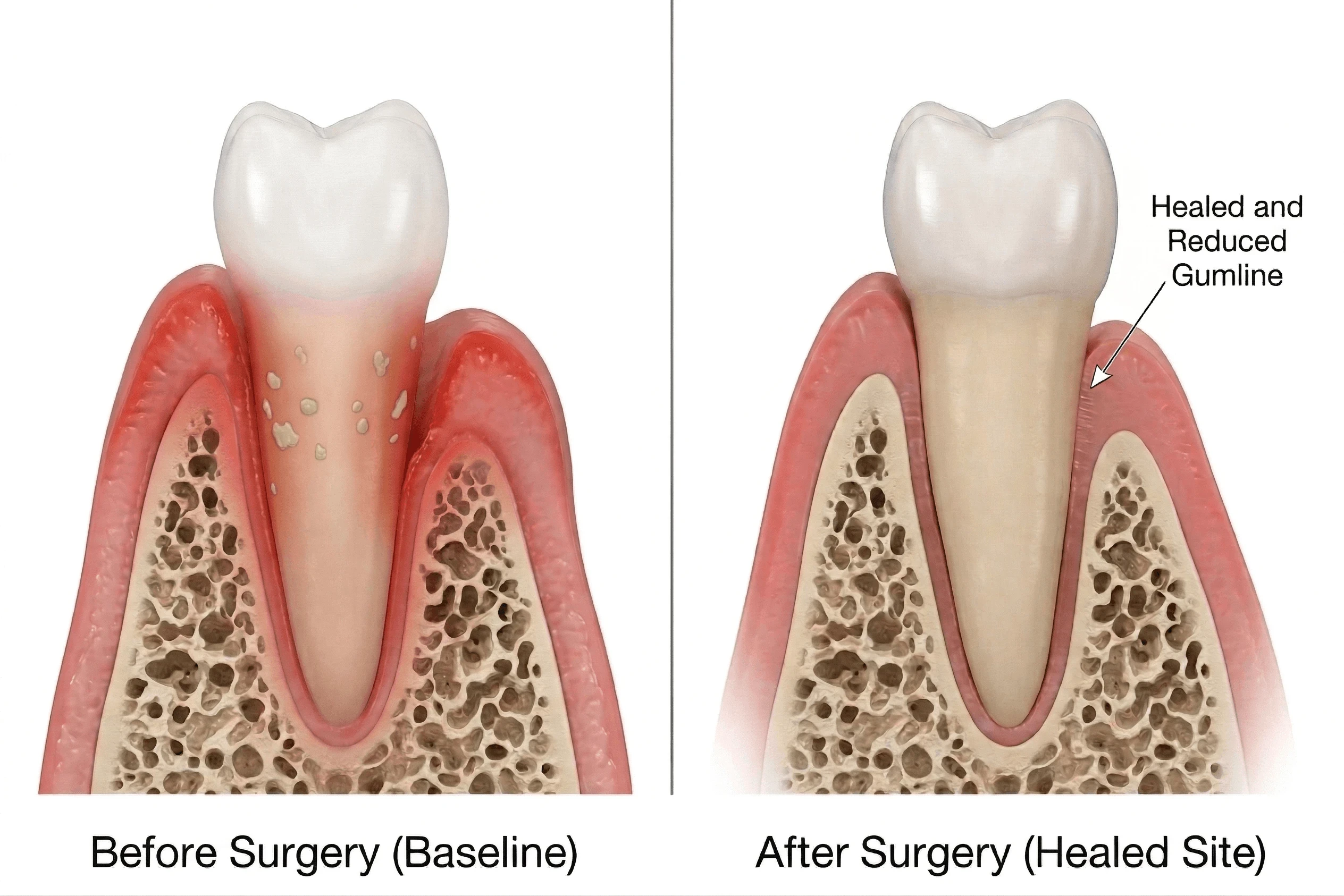
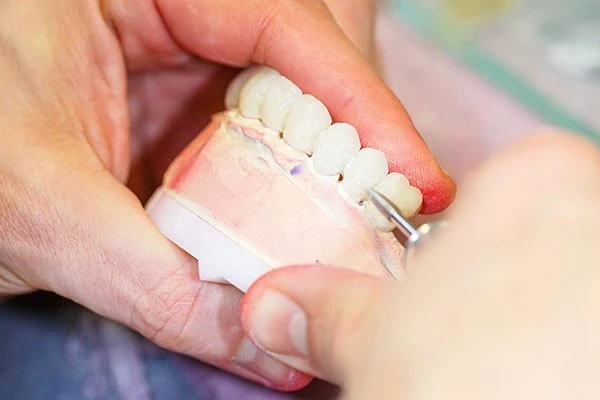
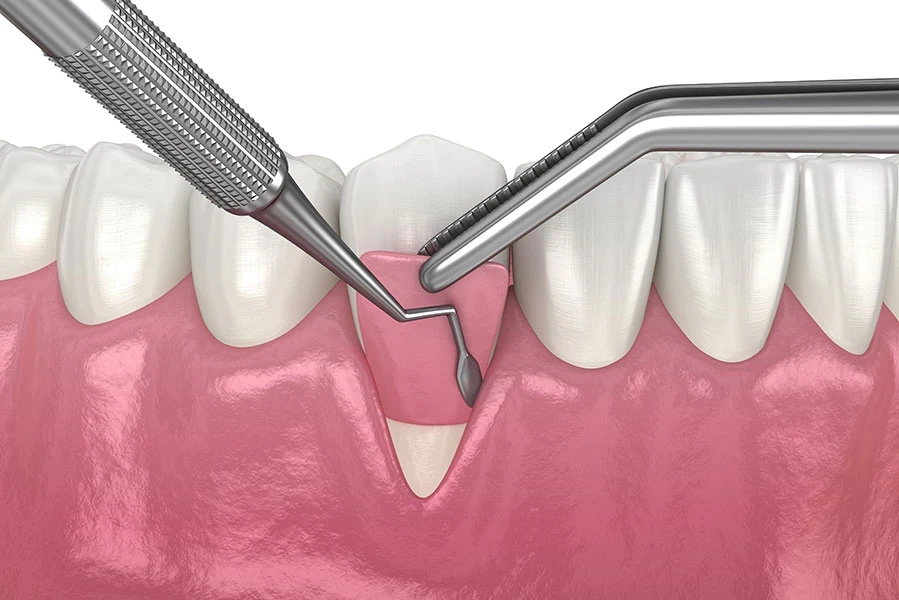
For instructions regarding specific procedures, please refer to each of our service pages..
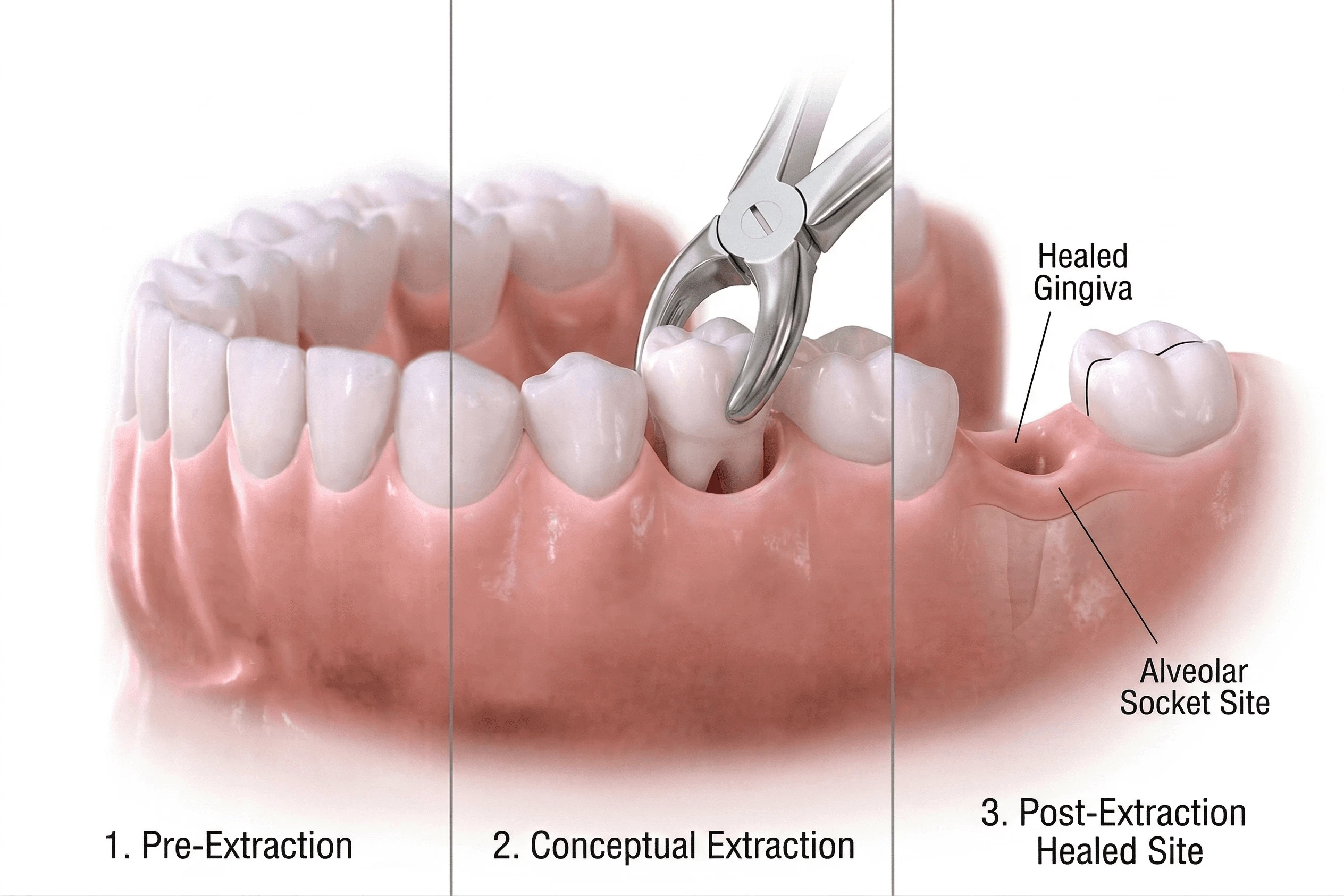
Frequently asked questions
Answers to common questions about after your procedure.

Start your treatment
We are accepting new patients across the Greater Toronto Area. Book a consultation to get started.
Prefer email? Reach us at:
Start your treatment
We are accepting new patients across the Greater Toronto Area. Book a consultation to get started.
Prefer email? Reach us at:
Start your treatment
We are accepting new patients across the Greater Toronto Area. Book a consultation to get started.
Prefer email? Reach us at:
Some discomfort during the first week is normal. Take your medication as prescribed and do not wait until pain sets in. If your pain feels unmanageable or is worsening after a few days, contact our office.
Swelling typically peaks at 48 to 72 hours and then gradually subsides. Use ice packs for the first 24 hours. If swelling persists beyond 3 days, call us.
Avoid chewing on the surgical side until your tissue has had time to heal. Stick to soft foods for at least the first week. We will advise you on when it is safe to resume a normal diet.
Do not brush or floss at the surgical site until after your 10-day post-operative visit. Use a Q-tip to gently clean the area in the meantime.
A small amount of bleeding is normal. Apply moistened gauze or a tea bag to the area with moderate pressure for 20 minutes. Keep your head elevated. If bleeding is excessive or does not stop, contact our office immediately.
Most sutures dissolve on their own. Any non-dissolving sutures will be removed at your 10-day post-operative visit.
Some discomfort during the first week is normal. Take your medication as prescribed and do not wait until pain sets in. If your pain feels unmanageable or is worsening after a few days, contact our office.
Swelling typically peaks at 48 to 72 hours and then gradually subsides. Use ice packs for the first 24 hours. If swelling persists beyond 3 days, call us.
Avoid chewing on the surgical side until your tissue has had time to heal. Stick to soft foods for at least the first week. We will advise you on when it is safe to resume a normal diet.
Do not brush or floss at the surgical site until after your 10-day post-operative visit. Use a Q-tip to gently clean the area in the meantime.
A small amount of bleeding is normal. Apply moistened gauze or a tea bag to the area with moderate pressure for 20 minutes. Keep your head elevated. If bleeding is excessive or does not stop, contact our office immediately.
Most sutures dissolve on their own. Any non-dissolving sutures will be removed at your 10-day post-operative visit.
Some discomfort during the first week is normal. Take your medication as prescribed and do not wait until pain sets in. If your pain feels unmanageable or is worsening after a few days, contact our office.
Swelling typically peaks at 48 to 72 hours and then gradually subsides. Use ice packs for the first 24 hours. If swelling persists beyond 3 days, call us.
Avoid chewing on the surgical side until your tissue has had time to heal. Stick to soft foods for at least the first week. We will advise you on when it is safe to resume a normal diet.
Do not brush or floss at the surgical site until after your 10-day post-operative visit. Use a Q-tip to gently clean the area in the meantime.
A small amount of bleeding is normal. Apply moistened gauze or a tea bag to the area with moderate pressure for 20 minutes. Keep your head elevated. If bleeding is excessive or does not stop, contact our office immediately.
Most sutures dissolve on their own. Any non-dissolving sutures will be removed at your 10-day post-operative visit.