Oral surgery in Toronto
Bloor-Yorkville Periodontics provides expert oral surgery in Toronto. We help with tooth extractions, dental implants, pocket reduction surgery, bone grafting, and sinus lifts. Our team of periodontists makes sure you feel comfortable and receive the specialized care your mouth needs.
What is oral surgery?
Oral surgery refers to any procedure that involves surgically treating the teeth, gums, jaw, or the bone and tissue that support them. It goes beyond routine dental care and is used when a problem cannot be resolved through cleaning or other non-surgical treatment alone.
At Bloor-Yorkville Periodontics, oral surgery is performed by periodontists, which means you are receiving care from specialists whose entire focus is the health of your gums, bone, and supporting structures.
Common reasons patients come to us for oral surgery include advanced gum disease, bone loss, missing teeth, damaged or non-restorable teeth, and changes in the mouth that need to be examined and treated.
Whether your procedure is straightforward or more complex, our team will make sure you understand what is involved and feel confident in your care before anything begins.
Benefits of oral surgery
Oral surgery treats the source of your pain so you can get back to eating, speaking, and living comfortably.
Surgery restores the function of your jaw and teeth so your mouth works the way it should.
Treatment stops the spread of infection and bone loss before they do more damage.
Oral surgery can correct how your teeth, gums, and jaw look, giving you a healthier and more confident smile.
Procedures performed by a periodontist address the underlying problem properly, reducing the chance that it comes back.
Types of oral surgery options at Bloor-Yorkville Periodontics
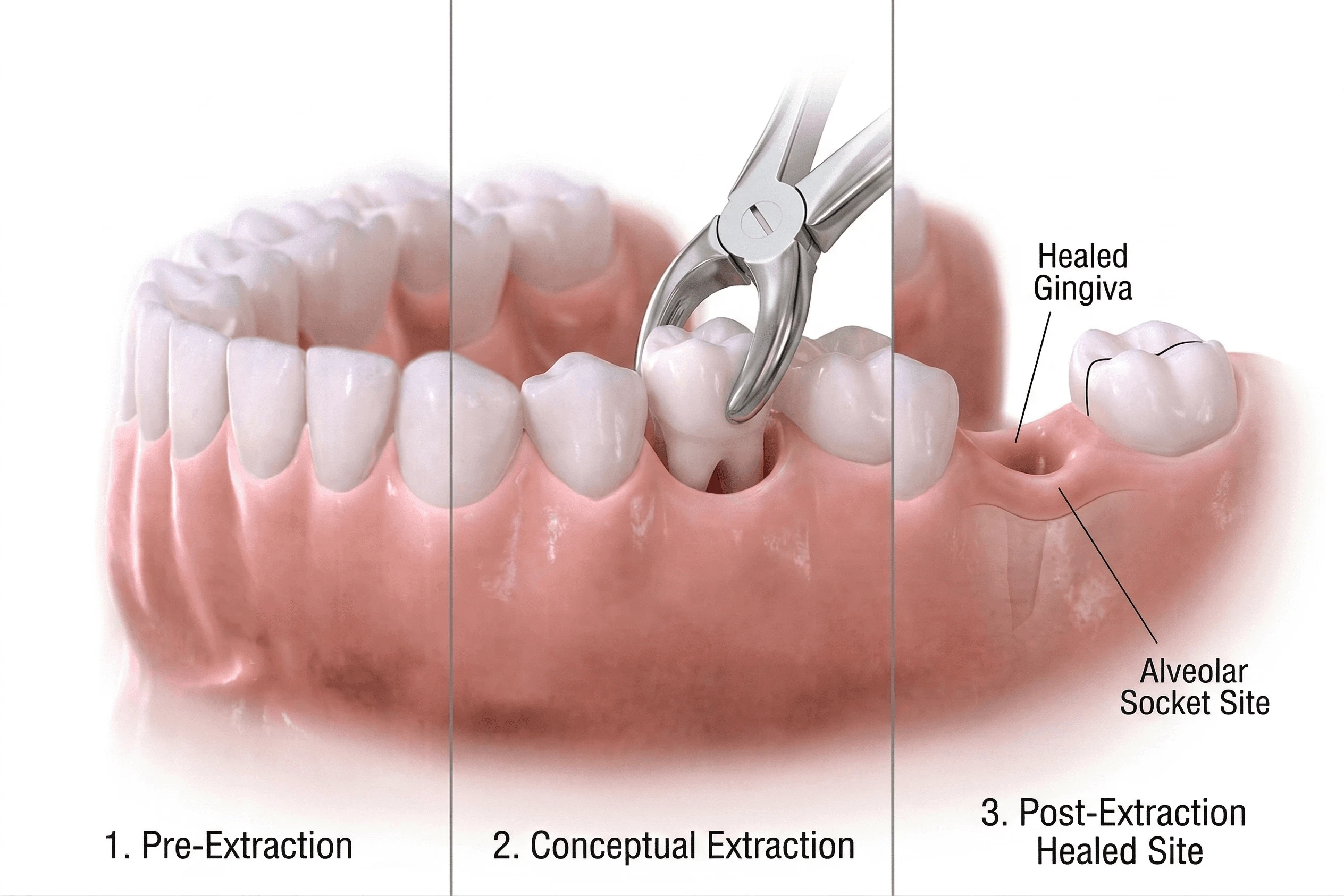
Tooth extractions: We remove teeth that are damaged, decayed, or too far gone to save. This includes teeth that are causing pain or putting the health of your surrounding teeth at risk.
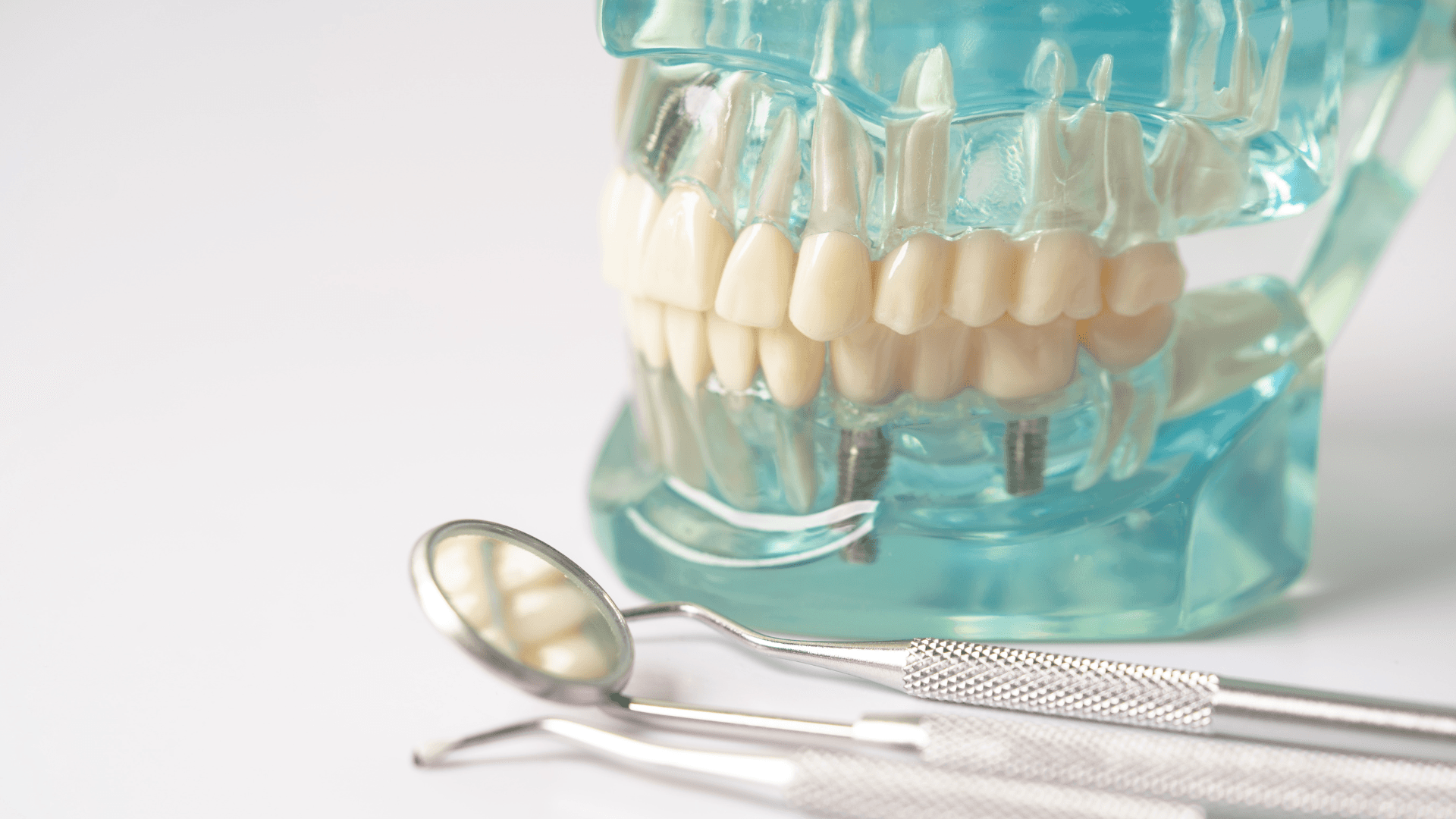
Dental implants: We place strong titanium posts into your jaw to hold replacement teeth securely in place. These work like natural tooth roots and are built to last.
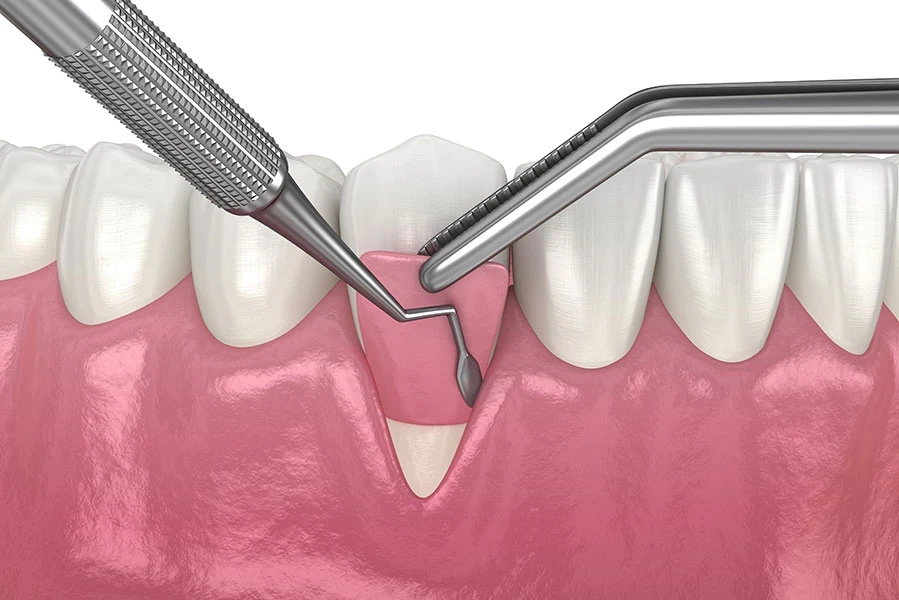
Soft tissue grafts: We add gum tissue to areas where your gums have worn away or pulled back. This protects the roots of your teeth and improves the appearance of your smile.
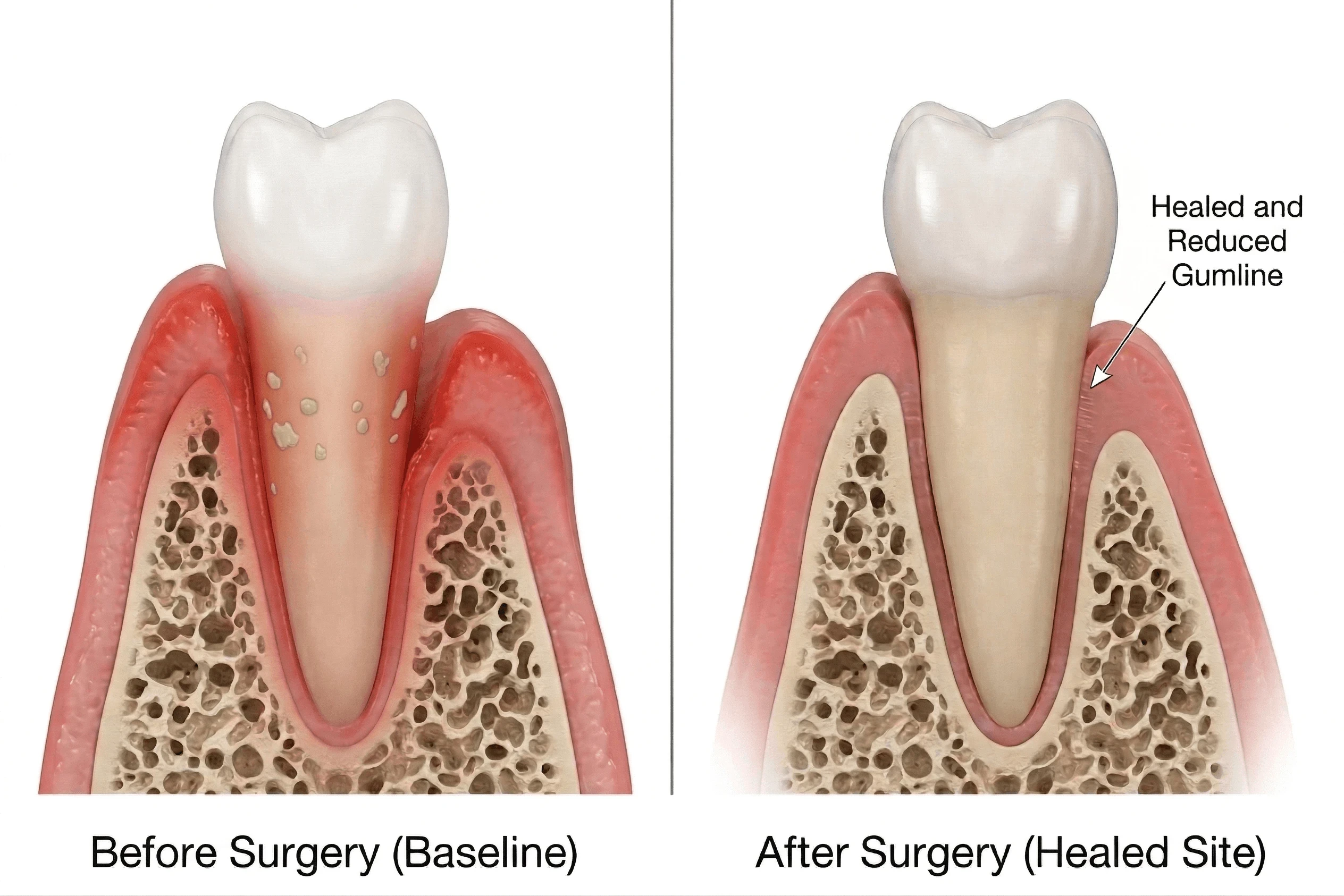
Pocket reduction surgery: We clean out the deep pockets that form between your teeth and gums when gum disease advances. Reducing these pockets stops bacteria from building up and helps prevent further bone and tissue loss.
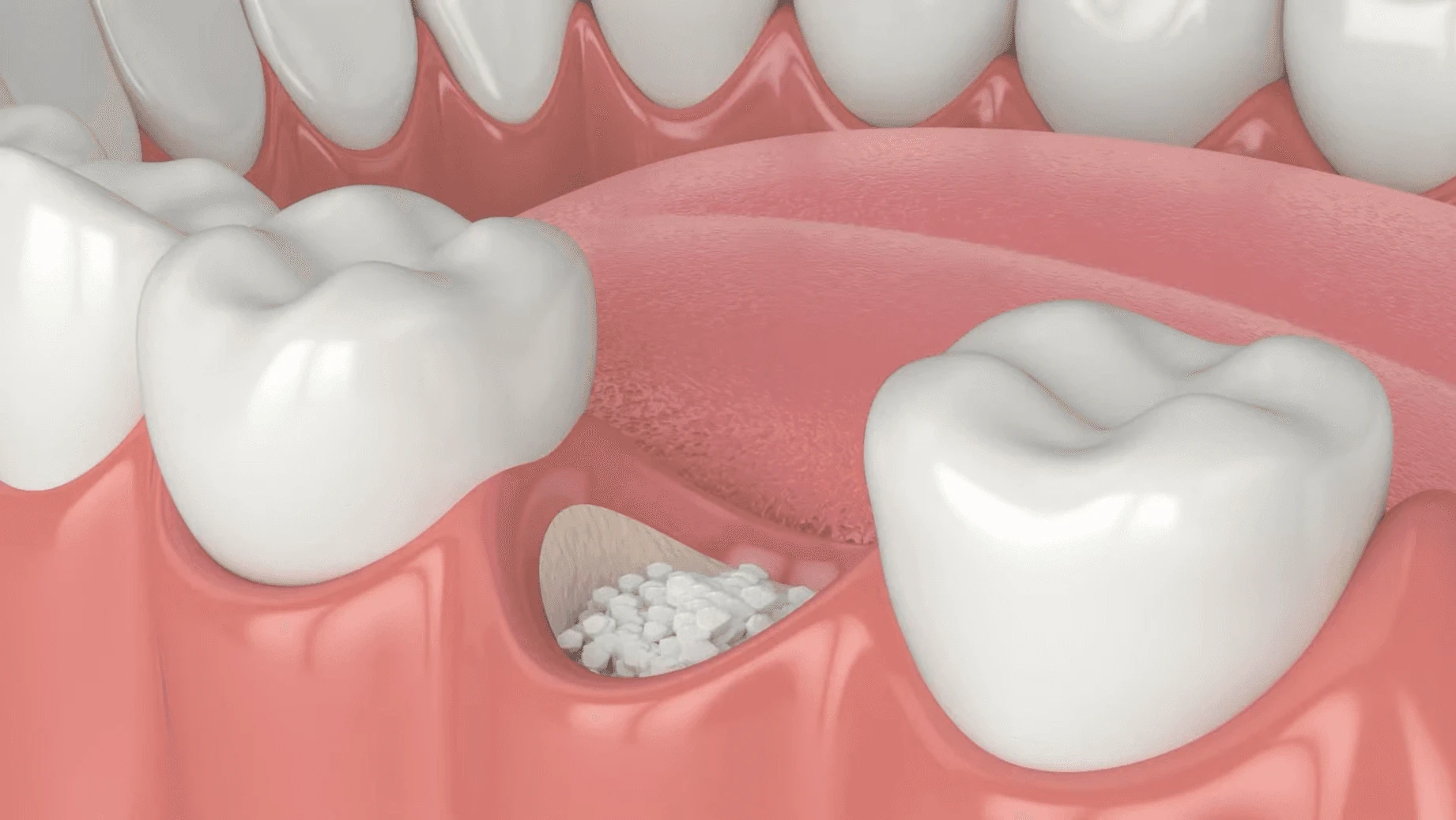
Bone grafting: We rebuild areas of your jaw where bone has been lost due to gum disease, infection, or tooth removal. This restores the foundation your teeth and implants depend on.
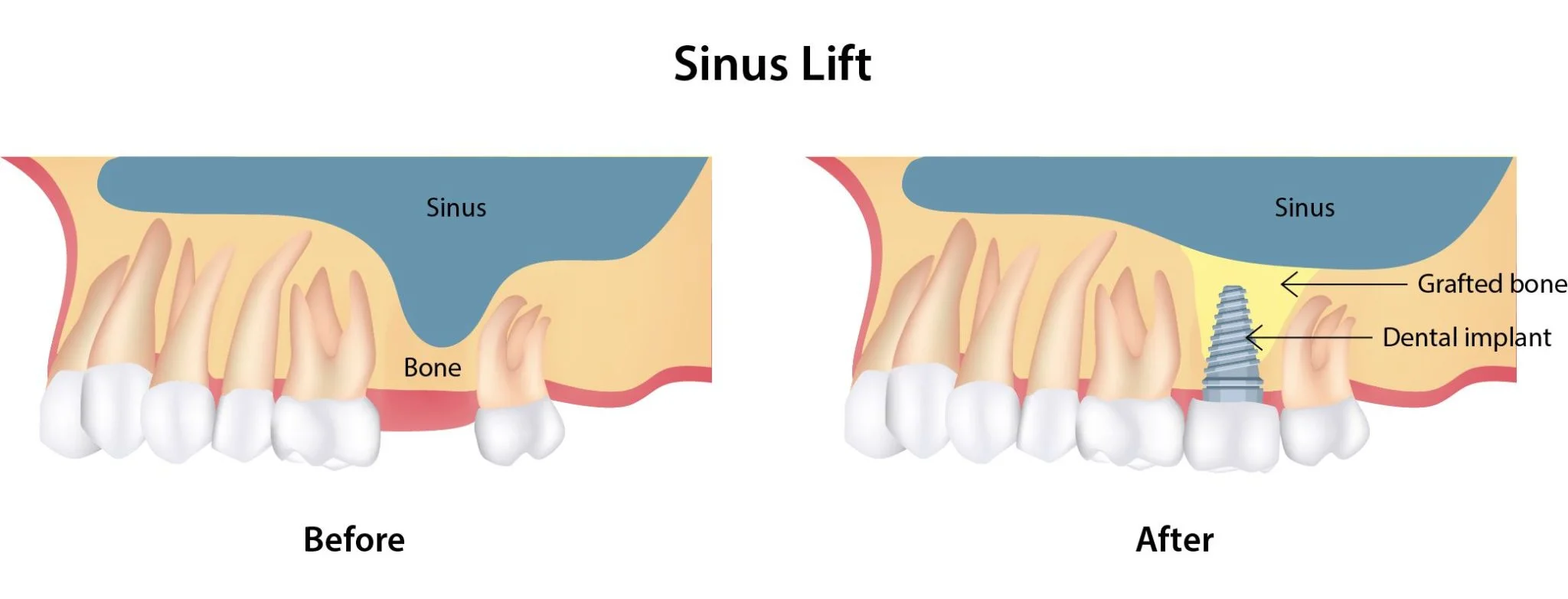
Sinus lift: We add bone to the upper jaw in the area of your back teeth when there is not enough bone height to support a dental implant. This creates the stable base an implant needs to stay in place long-term.
Treatment of oral pathology: We examine, biopsy, and remove growths, cysts, or unusual tissue in your mouth. Catching and treating these early keeps your mouth healthy and gives you peace of mind.
Why choose Bloor-Yorkville Periodontics in Toronto for oral surgery?
At Bloor Yorkville Periodontics, we help you feel comfortable and cared for throughout your oral surgery experience.
Individual treatment plans: We listen to your concerns and design a treatment plan that fits your specific oral health needs and goals.
Gentle and expert care: We combine periodontal specialist expertise with a gentle, caring approach so that your procedure is not only effective, but as comfortable as possible.
Supportive environment: Our team is here to make you feel safe, relaxed, and supported throughout your treatment and the healing process that follows.
Local convenience: Located in the Yorkville neighbourhood in Toronto, we are easy to reach for your consultation, procedure, and all follow-up appointments.
Frequently asked questions about oral surgery
Does oral surgery hurt?
We use local anesthesia to numb the area we are working on, and we offer sedation options for patients who want to feel more relaxed or at ease during the procedure. After surgery, any soreness is typically manageable with medication and settles within a few days.
How long will it take to heal after oral surgery?
Most patients feel comfortable and are back to their normal routines within a few days. Some procedures, such as bone grafting or sinus lifts, involve a longer healing period before the next stage of treatment can begin. We will give you a realistic timeline based on the specific procedure you are having.
What foods can I eat after oral surgery?
Refer to our post-operative instructions. For the first several days, stick to soft and cool foods such as yogurt, soup, mashed potatoes, scrambled eggs, and smoothies. Do not use a straw, and avoid anything hot, spicy, crunchy, or hard. As you heal, we will let you know when it is safe to return to your normal diet.
Do I need to take time off work after oral surgery?
Most people need to rest for two to three days after oral surgery, though this depends on the type of procedure and your individual recovery. We will give you guidance on what to expect so you can plan accordingly.
How much does oral surgery cost?
The cost varies depending on the type of procedure, the complexity of your case, and your insurance coverage. We will provide a clear treatment estimate before any procedure takes place. Our team can also help you understand what your dental insurance covers and discuss your payment options.
Will I be awake during my oral surgery?
You can choose the level of comfort that works best for you. We offer local anesthesia to numb the treatment area, as well as sedation options that help you relax or sleep through the procedure entirely. We will talk through these options with you at your consultation so you can make an informed decision.
Are there risks with oral surgery?
All surgical procedures carry some degree of risk, but serious complications are uncommon. Our periodontists use precise, minimally invasive techniques and modern techniques to keep risks as low as possible. We will explain any relevant risks specific to your procedure before you proceed and give you the opportunity to ask questions.
How do I know if I need oral surgery?
Signs that you may need oral surgery include persistent tooth or jaw pain, a tooth that cannot be saved with other treatment, advanced gum disease, missing teeth you want to replace with implants, or insufficient bone for implant placement. The best way to find out is to come in for a consultation. We will examine your mouth and give you an honest assessment of your options.
Can I drive myself home after oral surgery?
If you are having sedation, you will need to arrange for someone to drive you home and stay with you for a few hours afterward. If you are only having local anesthesia, you are generally able to drive yourself, though having someone with you is always a good idea.
When can I return to normal activities after oral surgery?
We recommend avoiding strenuous exercise and physical activity for at least a few days following surgery. Most patients are able to return to their regular routines within a week. We will give you specific guidance based on your procedure and how your recovery is progressing.