
Dr. Theo Katsaros
Lead periodontist
Last Updated
Share
Background
What is peri-implantitis and why does it matter
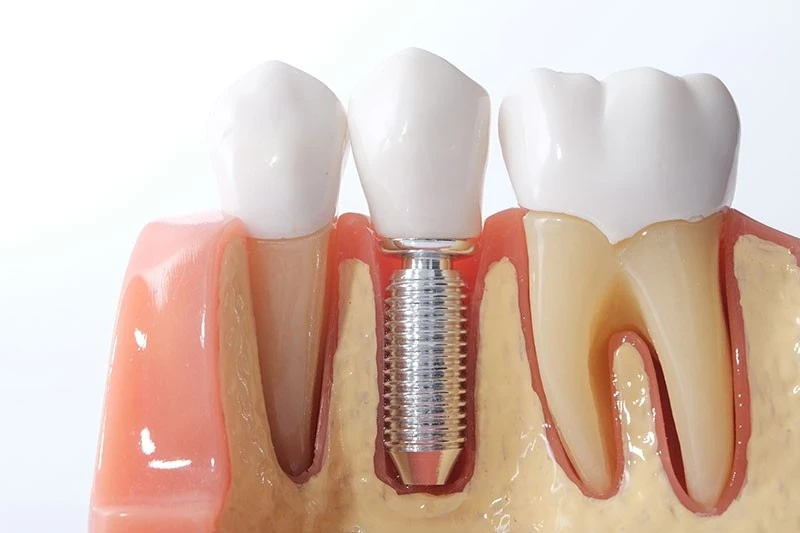
Peri-implantitis is a bacterial infection of the tissues surrounding a dental implant. It affects the gums and the bone that supports the implant, and without treatment, it will progress causing irreversible bone loss and, ultimately, implant failure. It is the leading cause of implant loss in patients who have completed successful implant placement.
Common risk factors of peri-implantitis:
Active gum disease: Patients who have had untreated periodontal disease are at significantly higher risk of developing peri-implantitis around their implants. That is why we always treat periodontitis before placing implants.
Poor oral hygiene: Inadequate plaque control around implant restorations allows biofilm to accumulate at the implant–gum interface and progress below the gumline.
Smoking: Tobacco use impairs immune response and circulation in the gum tissue, reducing the body's ability to fight infection around the implant.
Uncontrolled diabetes: Elevated blood glucose levels compromise healing and immune function, creating conditions that allow infection to persist and advance.
Implant surface characteristics: Roughened implant surfaces, while beneficial for osseointegration, can harbour bacteria more readily if exposed above the bone level.
Excess cement: Residual dental cement left behind after crown placement can act as a site for bacterial colonization below the gumline.
Occlusal overload: Excessive biting forces can accelerate bone loss in the presence of infection, worsening the trajectory of the disease.
You should contact us promptly if you notice any of the following:
Pain, swelling, or tenderness around your implant
The implant or crown feels loose or shifts when you bite
Bleeding or discharge from the gum tissue around the implant
Receding gums around the implant site
Difficulty chewing or a noticeable change in your bite
A visible gap developing between the gum and the implant crown
Catching a problem early gives us the best opportunity to treat it effectively and preserve the implant. Do not wait for symptoms to worsen before reaching out.
Our process
Management of peri-implantitis at Bloor-Yorkville Periodontics
Peri-implantitis is a complex, progressive disease, and no two cases present identically. The extent of bone loss, the condition of the implant surface, your medical history, and the degree of inflammation all influence how treatment is approached.
Here is what you can expect when you come to us for peri-implantitis care.
Step 1: Comprehensive examination and diagnosis
We start by reviewing your full dental and medical history, including any changes since your implant was originally placed. We then carry out a careful clinical examination of the implant site, assess your gum and bone tissue, and take digital X-rays to evaluate bone levels around the implant post.
This gives us a clear picture of what is happening and helps us determine the most appropriate course of action.
Step 2: Explaining your options
Once the examination is complete, we walk you through our findings. We explain the likely cause of the problem, outline your treatment options, and give you a clear recommendation. Our goal is for you to feel fully informed and confident before any treatment begins.
Step 3: Treating the underlying cause
Depending on what we find, your rescue treatment may involve one or more of the following:
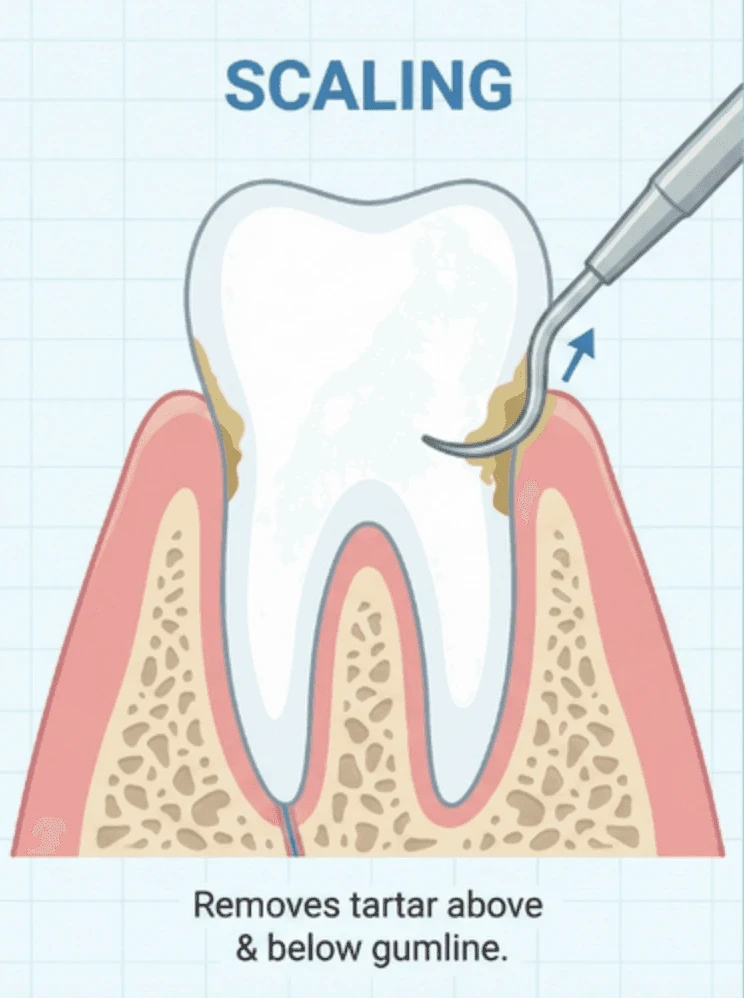
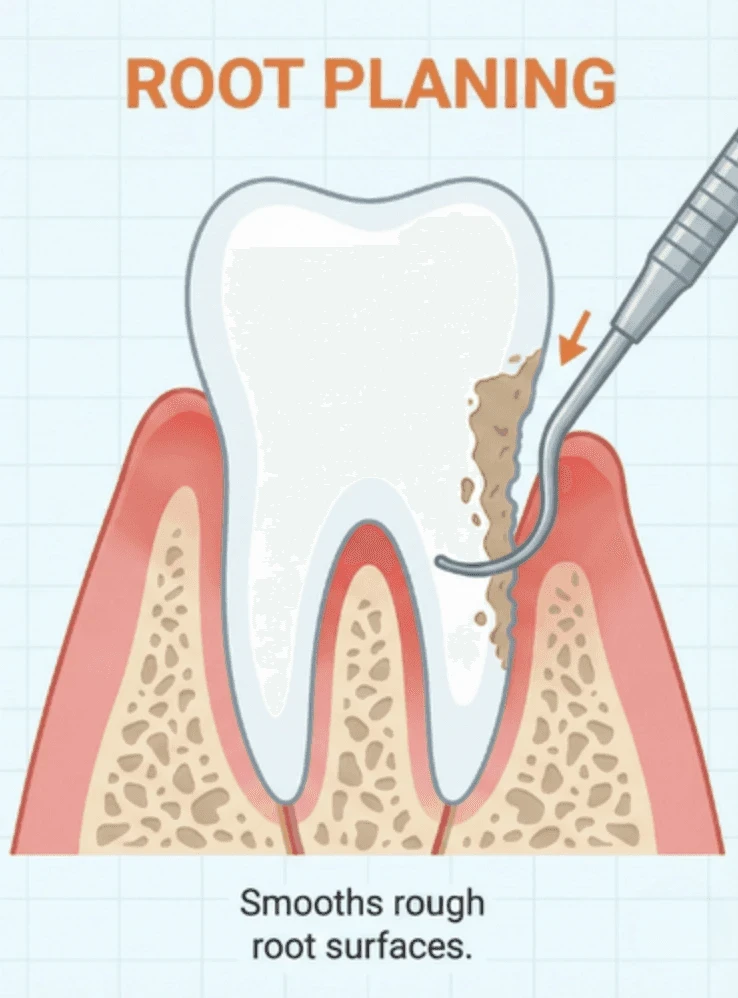
Peri-implant therapy: we will clean the implant surface and surrounding tissue to remove bacteria and reduce inflammation. In more advanced cases, surgical intervention may be needed to restore the supporting structure.
Bone grafting: Where bone loss has occurred around the implant, a graft may be used to rebuild the area and re-establish a stable foundation.
Implant removal and replacement: If the implant cannot be saved, we will remove it carefully, allow the site to heal, and plan for a replacement implant when conditions are right. We will guide you through every step of that process.
Step 4: Follow-up and ongoing monitoring
After treatment, we will schedule follow-up appointments to monitor your healing and confirm the implant is stable.
We will also give you clear aftercare instructions, including guidance on oral hygiene around the implant site, and recommendations for any lifestyle adjustments that may reduce your risk of future complications.

I reached out in despair after a failed implant treatment and a couple of negative prospects from other offices. I knew her reputation was first class, and I experienced how TERRIBLE an idea is to skimp when it comes to your health. My journey was not easy as the first implant installed did not fuse correctly to my bone. This is 1 in a 1000 poor luck, but to my admiration, they changed the implant and promised I would have my full smile one way or another. Low and behold, one year later, I am smiling with a tooth that looks and feels as one created by Mother Nature. I couldn't be happier.
Manuel R Avila
Google Review
Your Periodontal Specialists
Why choose Bloor-Yorkville Periodontics in Toronto for the management of peri-implantitis?
When an implant is in trouble, specialist care matters. As a periodontal practice, we have the clinical training and experience to assess, treat, and monitor failing implants with a level of precision that general dentistry cannot always provide.
Specialist expertise - As periodontists, implant-related tissue and bone problems are central to our scope of practice. We are specifically trained to manage the complex interactions between implants, gum tissue, and bone.
Individualized treatment plans - We assess each case on its own and design a treatment plan that addresses your specific situation, rather than applying a one-size-fits-all approach.
Gentle and thorough care - We combine clinical precision with a calm, supportive approach, so your experience is still comfortable, even when the situation feels stressful.
Supportive environment - Our team is here to make sure you feel informed, at ease, and well cared for throughout your treatment and recovery.
Local convenience - Located right here in Toronto we are easy to reach for all your treatments and follow-up appointments.
Gum disease does not resolve on its own, and delays in treatment allow it to advance to stages that are significantly more difficult and costly to manage. If uncertainty or anxiety has prevented you from seeking care, our team in Toronto is here to help you take that step with confidence.
FAQ
Frequently asked questions about peri-implantitis
Is peri-implantitis treatment painful?
We do everything we can to keep you comfortable throughout your treatment. Before any procedure, we use a local anesthetic to fully numb the treatment area. You may experience some soreness afterward, but we will give you detailed aftercare instructions to help manage your recovery.
How long does treatment of peri-implantitis take?
Treatment timelines vary depending on the nature and severity of the problem. Treatment for peri-implantitis or bone grafting may take several appointments spread over a number of months. We will give you a realistic timeline during your consultation.
What can I do to reduce my risk of peri-implantitis?
Good oral hygiene is the most important factor. Brush twice daily, floss around the implant, and attend your regular dental and periodontal checkups.
Avoiding tobacco, managing any underlying health conditions, and wearing a nightguard if you grind your teeth can also significantly reduce your risk of implant complications.
What if my implant needs to be removed?
If removal is necessary, we will plan the process carefully to preserve as much bone as possible and prepare the site for a future replacement implant. Losing one implant does not mean you cannot have another; we will walk you through all your options and help you understand what comes next.

I turned to Dr. Caudry for help after my implants failed for the second time. My case was very difficult but Dr. Caudry's exceptional skills, experience and her ability to use the newest advances in technology, such as 3D reconstruction of my jaw, helped to repair the damage. I now have new implants after having had a bone graft and removal of an infection. Dr Caudry also used an anti-bacterial specially designed implants to minimize the risk of future infections. In addition to being an exceptional specialist she is very approachable, friendly and her staff are also very helpful. I am truly indebted to her for her help. Would recommend her to anyone.
Julia
Google Review